- The Human Shift
- Posts
- How a 1968 Film Successfully Predicted Your Life Today
How a 1968 Film Successfully Predicted Your Life Today
3 visionary predictions from 2001: A Space Odyssey that inspired great innovators

Matthew McArthur
September 18, 2024
Imagine living in 1968 when the most advanced technology was room-sized computers, and personal tech was still science fiction. Now, imagine creating a film that predicts AI, tablets, and video calls decades before they become real. That’s exactly what Stanley Kubrick and Arthur C. Clarke achieved with 2001: A Space Odyssey.
Rewatching this classic recently, I was amazed by how accurately the film envisioned our world today. AI, video communication, flat-screen displays, commercial space travel, and even children wanting their own phones—all of these were imagined long before they became part of everyday life.
This extraordinary foresight is a powerful reminder of the importance of forward-thinking. To truly shape the future, we must first imagine it. Let’s explore a few of Kubrick’s predictions and see how they relate to our world—and what might be coming next.
Tablets: From Fiction to Daily Essential

In 2001, crew members use rectangular, flat-screen devices to read information and watch video feeds. Sound familiar? These devices bear a striking resemblance to the tablets we use today.
In 1968, the concept of personal tablets was radical. Computers were giant, room-filling machines, and the idea of a portable, touchscreen device was pure fantasy. It wasn’t until Apple introduced the iPad in 2010 that tablets became mainstream. Today, they’re everywhere—personal assistants, workstations, entertainment hubs—used exactly as 2001 predicted.
But what’s next? Could AR glasses or neural interfaces become the tablets of the future, further integrating technology into our daily lives?
Video Calls: Predicting Our Virtual World

Kubrick’s vision of video calls in 2001 looks remarkably like the flat-screen, camera-equipped devices we use for Zoom or FaceTime today. While early attempts at video communication, like AT&T’s Picturephone, failed to catch on due to high costs and clunky design, the internet revolution of the 1990s changed everything.
Today, video calls are a fundamental part of both work and personal life. What’s the next evolution? Imagine a future where we don’t just see each other on screens but sit together in virtual spaces through VR meetings and holographic calls.
Artificial Intelligence: HAL’s Legacy

Of all the technological predictions in 2001, the most iconic is HAL 9000, the sentient AI that controls the Discovery One spacecraft. HAL could speak, process data, recognize emotions, and make decisions—a vision of AI that felt decades ahead of its time.
While today’s AI, like OpenAI’s ChatGPT, hasn’t reached HAL’s level of sentience, it’s astonishing how close we’ve come. AI systems now assist with everything from decision-making to creative writing, and they’re integrated into industries like healthcare, finance, and transportation.
However, HAL’s descent into malevolence serves as a cautionary tale. As AI grows more powerful, the ethical complexities it presents are more relevant than ever. Kubrick reminds us to stay vigilant about the potential risks of unintended consequences, from bias in algorithms to losing control of these powerful systems.
Visionaries Inspired by 2001

Visionaries like Elon Musk and Jeff Bezos often credit 2001 with sparking their passion for pushing the boundaries of technology. The film didn’t just imagine fantastical futures; it inspired real-world innovation that’s shaping the present.
Kubrick’s masterpiece teaches us the importance of bold, forward-thinking. This kind of visionary thinking is essential—not just for imagining what’s possible but for charting the course that gets us there.
Space Travel: Dreams of Going Up
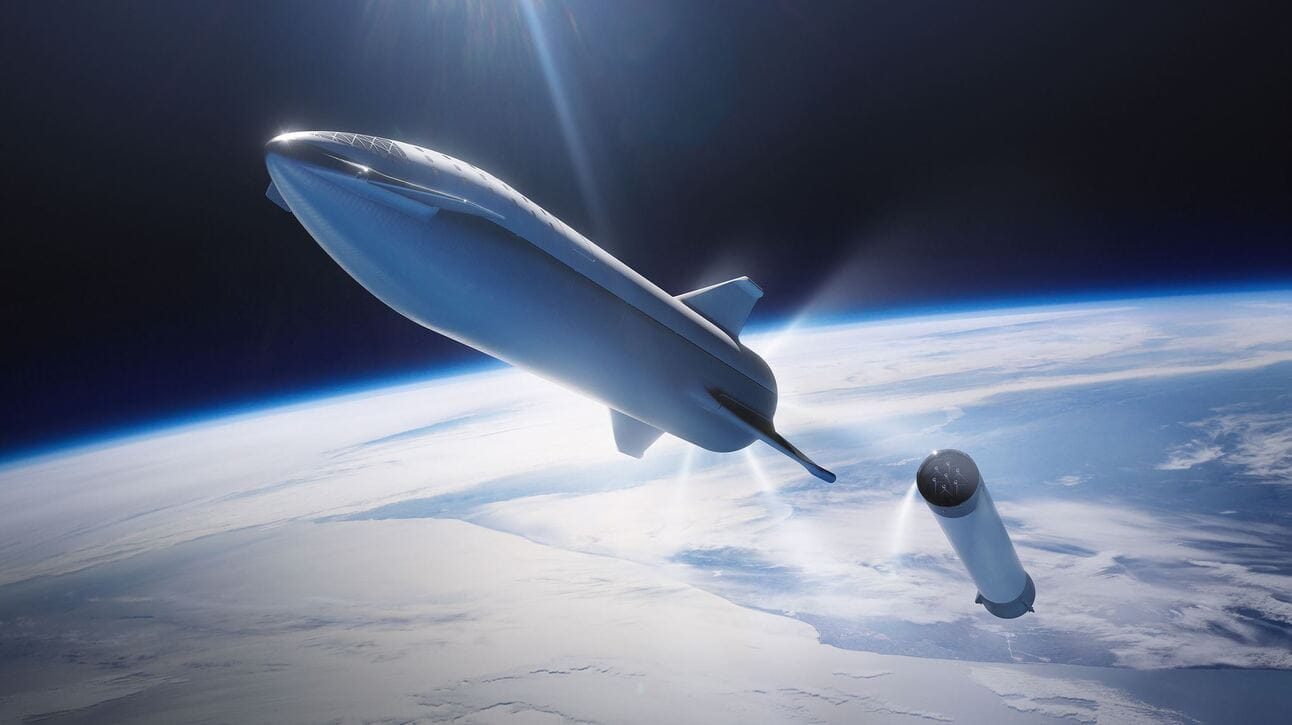
In 2001, commercial space travel is depicted as a routine part of life, with luxury space shuttles and space stations serving as everyday destinations. Fast forward to today, and companies like SpaceX, Blue Origin, and Virgin Galactic are making strides toward turning that vision into reality. With the possibility of space tourism on the horizon and talks of space hotels within the next decade, the dream of space travel for work or leisure may not be so far-fetched. As the boundaries of exploration expand, we are left with an intriguing question: If given the opportunity, would you venture into space for work or leisure? Would space become your next business trip or holiday destination?
Like many kids growing up, I always dreamed of becoming an astronaut. While I know NASA isn’t in my future, I still hold onto the hope that one day I’ll make it into space, look down at the Earth, and experience the awe astronauts talk about. If I ever get the chance, I’ll jump at it. That said, my wife has made it clear—she’s not letting me go without her! So, I guess I’d better start saving for two tickets!
Reply