- The Human Shift
- Posts
- What If You Could Communicate in Any Language Instantly?
What If You Could Communicate in Any Language Instantly?
Exploring How AI-Powered Real-Time Translation Could Eliminate Language Barriers and Transform Global Communication

Matthew McArthur
October 01, 2024
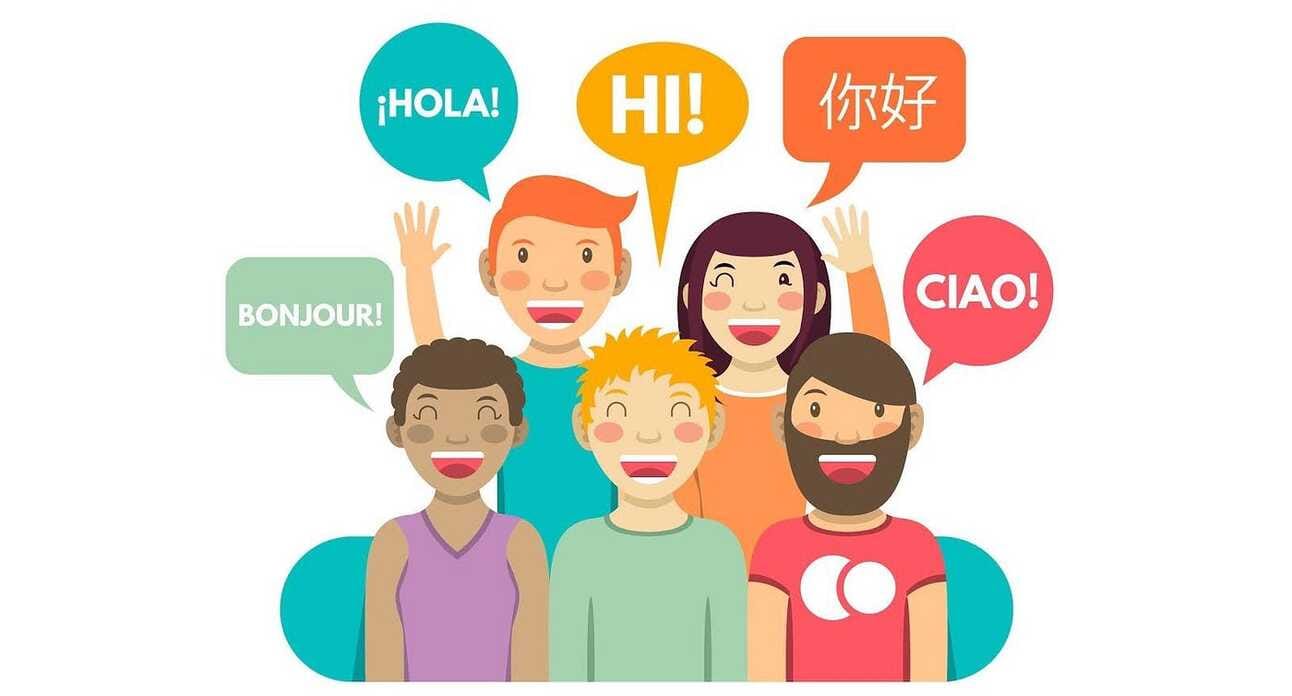
What if you could travel anywhere in the world and speak any language effortlessly, as if there were no barriers at all? Imagine stepping off a plane in Germany for a crucial business meeting or a weekend getaway with friends. Instead of relying on someone speaking English or fumbling through Google Translate, you simply speak—while real-time technology converts your words into fluent German, seamlessly and instantly. In 2032, this is reality. Smart glasses translate signs, conversations flow smoothly, and global business operates without a hitch.
Just a few months ago, one of my clients, a large manufacturing company, was facing language barriers with a key German supplier. They tried to hire a bilingual manager, but the process took months, and delays in production persisted. At the time, I thought real-time translation technology wouldn’t be available to the public until the mid-2030s.
But after seeing Meta’s latest Orion project (Click here to learn more), I’m convinced instant language translation could be mainstream by the end of this decade.
Sure, you could download Duolingo and learn the language the traditional way, but like many others, I’ve tried that with limited success. Now, imagine a future where you don’t need to learn languages from scratch. Soon, you could communicate in any language instantly. This isn’t science fiction, it’s a reality that’s unfolding as we speak, and the progress is incredibly exciting!
So How Is This Technology Becoming a Reality?
Advances in AI and machine learning are rapidly bringing us closer to a future where real-time translation becomes part of everyday life. Let’s explore how this is already happening.
Neural Machine Translation (NMT)
Imagine you’re in Japan (my dream holiday destination), staring at a menu you can’t read. With Google Lens, you simply point your phone, and the entire menu is translated in seconds. Thanks to the power of NMT, there are many tools available that are already giving us a glimpse of this future.
Beyond just travel, NMT is reshaping industries. AI-powered language tools like DeepL are leading the way in providing instant, high-quality translations for business communications, legal documents, and even casual conversations. NMT’s ability to capture not just words but their context is breaking down communication barriers faster than ever. Soon, speaking and understanding any language in real time will feel as simple as sending a text.
Why not give it a try? Head over to the DeepL website here, type in any text, and watch as it effortlessly translates into the language of your choice. You’ll be amazed at how quickly it works—just start typing and see the current state of language translation in action, and it will only get better!
Natural Language Processing (NLP)
It’s not just about translating words. AI now understands tone, intent, and context through natural language processing (NLP). For instance, you can ask ChatGPT to translate a message from English to any language, and in seconds, you'll have a perfect translation that the recipient can read or listen to, with the meaning and nuance intact.
Whether you’re in a business meeting or catching up with friends across the world, AI is making conversations across languages feel natural and easy.
Watch the video below to see AI speech translation in action with GPT-4o!
Speech Recognition and Synthesis
AI is also transforming spoken language. Tools like Skype Translator are already doing this for conversations, now with more natural-sounding voices thanks to TruVoice technology. Speak in your language, and the AI instantly translates and speaks it back in another language—eliminating misunderstandings in real-time.
Whether you’re collaborating with a colleague in Germany or traveling across the globe, AI tools like Skype Translator make real-time communication as seamless as talking to a local.
Watch the video below to see how this technology is already transforming global conversations.
While the technology driving real-time translation is fascinating on its own, the true impact lies in how it will reshape our world. From everyday interactions to global industries, here are some of the most exciting benefits we can expect from real-time language translation
The Global Benefits of Real-Time Language Translation
The implications of real-time translation go far beyond convenience. As AI and machine learning bring this future closer, the potential benefits will impact industries and daily life in profound ways.
1. Global Communication Without Barriers
Real-time translation will enable seamless international meetings, negotiations, and collaborations.
It may even help ease tensions between countries, offering the potential for peace-building through clearer communication.
Misunderstandings in crucial conversations will become a thing of the past, allowing multilingual teams to work together effortlessly.
2. Wider Access to Education
Language will no longer be a limiting factor for students from non-English-speaking countries.
Students can participate in lectures and access academic resources in their native language, enabling cross-cultural knowledge sharing.
This will open up opportunities for learners worldwide to benefit from top institutions.
3. Better Healthcare
Real-time translation will reduce the risks of miscommunication between patients and healthcare providers, ensuring that symptoms are described accurately.
This will be particularly critical in emergency settings, where clarity can mean the difference between life and death.
Non-native speakers will receive proper care and treatment more easily.
4. More Inclusive Workplaces
Job opportunities for non-native speakers will expand as language requirements become less of a barrier.
More people will be able to work abroad or apply for roles they were previously unqualified for due to language restrictions.
The dissolution of these barriers will lead to more inclusive and diverse global workplaces.
5. Enhanced Travel Experiences
Real-time translation will remove anxiety from travel by making interactions with locals and navigating foreign environments easier.
Whether reading street signs, ordering food, or engaging in conversations, cultural immersion will become richer and smoother.
Language will no longer be a barrier to fully experiencing other cultures.
6. Empowering Refugees and Migrants
Refugees and migrants will have easier access to essential services, legal support, and day-to-day communication.
Real-time translation will aid in smoother adaptation and integration into new communities, helping them build stronger ties in their new home countries.
Balancing the Benefits and Challenges
While the benefits of real-time language translation are clear, some might argue that it has a potential downside. For instance, the motivation to learn new languages could decline as more people rely on AI-powered translation tools. My wife raised an interesting point: could this technology cause us to lose the skills associated with learning new languages? I never had the skills in the first place, but I get what she means.
While it's true that fewer people might feel the need to study languages, I believe the benefits of real-time translation, such as greater global understanding and inclusivity, far outweigh this concern. In fact, this technology might even enhance language learning. By seeing and hearing translations in real time, users could naturally start picking up words, phrases, and even full sentences. Rather than replacing traditional learning, real-time translation could act as a gateway to it.
I guess we’ll have to wait and see how this evolves, but the potential for both language learning and global communication is incredibly exciting.
A More Connected and Inclusive World
Real-time language translation isn’t just about convenience, it’s about creating a more connected, inclusive world. By breaking down language barriers in education, healthcare, and global collaboration, this technology has the power to transform how we interact on a global scale. As real-time translation advances, we are looking at a future where language is no longer an obstacle to opportunity and understanding.
Fictional Insight
One of my favourite books of all time, Douglas Adams’ The Hitchhiker’s Guide to the Galaxy, features a humorous invention known as the Babel Fish. This small creature, when placed in your ear, allows you to instantly understand any spoken language. It’s a fun and whimsical solution to communication barriers. But Adams, also adds an ironic twist, the ability to understand every language has led to more wars than ever before. By removing the barriers to misunderstanding, the Babel Fish allowed conflicts to escalate with brutal clarity.
While Adams' creation is a humorous take on human nature, it also highlights just how powerful and sometimes dangerous language can be. In reality, though, AI-driven translation tools should help us move toward a future where we can overcome these barriers and foster greater understanding, rather than conflict. But being able to communicate clearly with everyone might not always prevent tensions or conflict, it could even escalate situations by removing the ambiguity that sometimes keeps things in check.
What do you think?
How could real-time translation transform your career, travel, or even your personal relationships? Imagine the possibilities when language is no longer a barrier.
As AI continues to advance, we’re rapidly approaching a future where real-time translation is part of everyday life—breaking down communication walls and opening up exciting new opportunities. Whether it's revolutionizing global business, enhancing travel experiences, or fostering more inclusive communities, the future looks bright and full of potential.
Excited about the future? Be sure to subscribe to Foresight for more insights on emerging technologies, AI innovations, and the future to come. Let’s continue to explore how today’s ‘what if’ can become tomorrow’s reality. Together, we can prepare for what’s next.
Reply