- The Human Shift
- Posts
- Meta’s Orion AR Glasses: A New Frontier in Augmented Reality
Meta’s Orion AR Glasses: A New Frontier in Augmented Reality
Meta's Orion AR glasses mark a major leap forward in augmented reality, positioning themselves as a strong rival to Apple’s Vision Pro.

Matthew McArthur
September 27, 2024

Let’s take a moment to picture the future—a world where your smartphone is a relic of the past, your daily interactions with technology are seamless, and learning is no longer confined to screens or textbooks but layered over your reality. Sounds like something out of a sci-fi movie, right? Well, Meta’s recent announcement of their Orion AR glasses is bringing that future one step closer to the present.

At Foresight, we're all about embracing change, especially when it opens up new possibilities for how we work, learn, and interact with the world. The introduction of Meta’s Orion glasses is more than just another tech announcement; it’s a powerful signal that we’re on the verge of an AR revolution that could fundamentally reshape industries and, dare I say, our daily lives. So let’s dive into why I’m excited about this and why you should be too.
Key Takeaways from Meta’s Orion Announcement
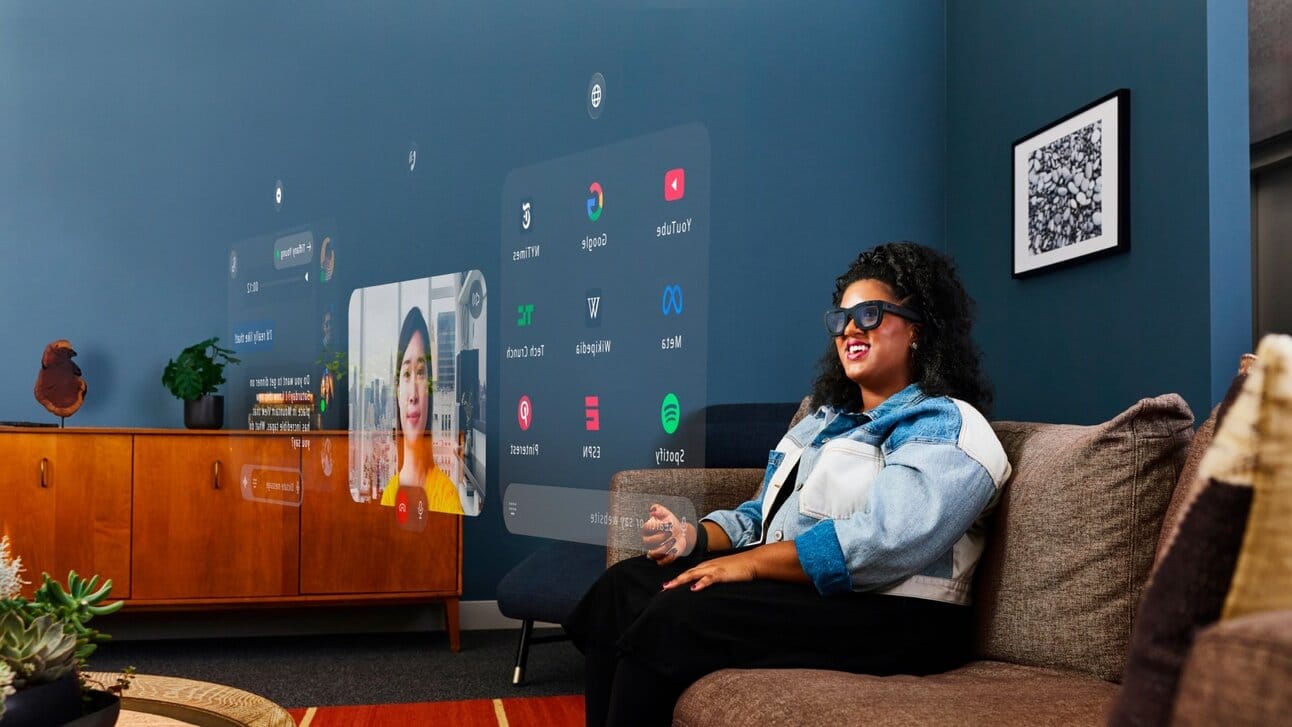
Meta’s Orion AR glasses aren’t just another iteration of a tech gadget—they represent a bold leap into a future where our devices no longer separate us from the world, but rather enhance it. That’s a big deal, and here’s why:
True AR Experience: Unlike its clunkier predecessors, the Orion glasses bring a fully immersive AR experience. No more awkwardly holding up your phone to ‘augment reality’. Instead, digital overlays blend seamlessly with the real world, so your focus remains right in front of you, not buried in your hands. Meta’s aiming to turn us all into Iron Man, minus the suit.
Lightweight, Everyday Design: One of the biggest wins here is how Meta has prioritised comfort. These glasses are sleek and light, designed to be worn just like your regular pair of specs (though probably smarter and with less risk of getting sat on although insurance is a must). This signals a future where we’re not strapping screens to our faces but wearing technology that feels natural.
Goodbye Smartphones?: Now, this is interesting: Mark Zuckerberg is hinting that AR glasses could replace smartphones altogether. Imagine no more fumbling for your phone in a bag, having your pockets full or dropping it face-down in horror. Instead, everything you need—your messages, calls, calendar—could be right in front of your eyes, without so much as a swipe. The smartphone revolutionised how we live, but the next revolution? It’s all about hands-free, and this is the start of it.

Meta Orion vs Apple Vision Pro: Key Differences
Just when you thought things couldn’t get more exciting, we have the tech equivalent of a heavyweight boxing match: Meta’s Orion vs. Apple’s Vision Pro. While both are aiming for the future, they’ve got slightly different ideas on how we get there.
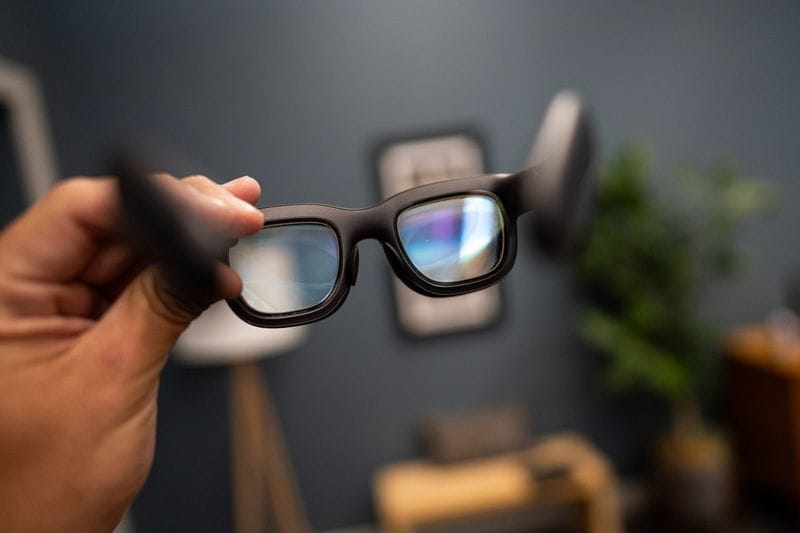
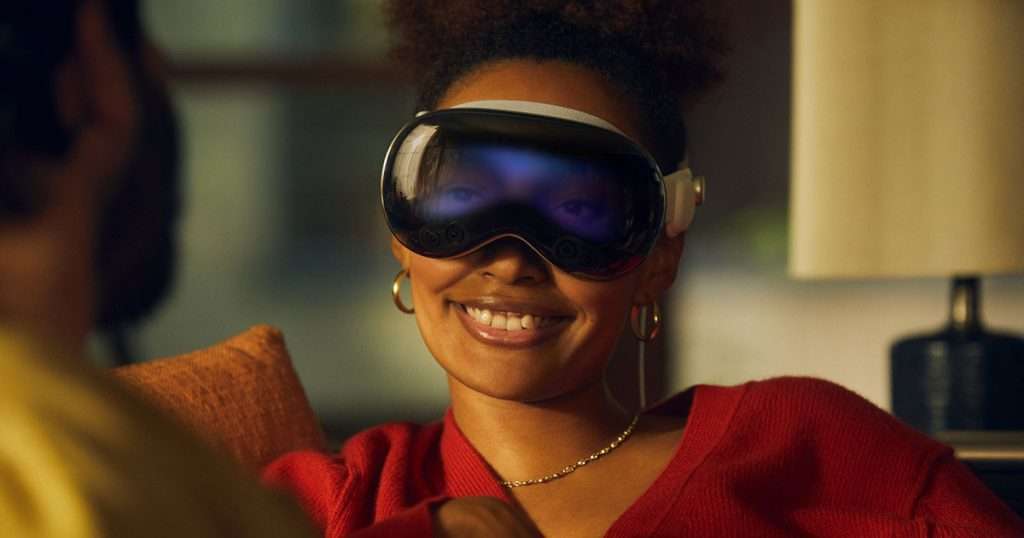
Design: Orion is lightweight and looks like regular eyewear, making it more suited for everyday use. Apple’s Vision Pro, on the other hand, is bulkier and resembles a traditional headset, which is less portable but offers a broader mixed reality experience. However, I have no doubt that Apple will make design improvements and pack more power into a smaller device, just look at the difference between the Macintosh from 1984 compared to the MacBook Pro today.
Portability: Orion excels in mobility with its wireless unit and minimalistic design, while Vision Pro requires a tethered external processor, limiting its portability.
Focus: Orion is strictly AR-focused, aiming for seamless integration into daily life, whereas Vision Pro blends both AR and VR, making it more versatile but less sleek for constant wear.
Price: Apple’s Vision Pro is priced at a premium of £3,499, while Meta’s Orion is expected to offer a more accessible price point. Exact pricing hasn’t yet been revealed, it is estimated that the current functional prototype costs around $10,000 to produce.
Real-World Applications: Language Translation, Education and Beyond
What excites me most about Meta’s Orion glasses is their potential to transform industries, especially travel and education. Let’s explore a few possible use cases:
Real-Time Language Translation: Imagine being able to travel anywhere in the world, and with the Orion AR glasses, you can instantly see translations of foreign text or hear real-time conversations in your native language. This kind of feature could be invaluable for business professionals, tourists, or even students learning new languages.
Transforming Education: AR has vast potential to revolutionise learning. In classrooms, AR could assist students who struggle with reading by highlighting words, providing definitions, or even pronouncing difficult words aloud, helping them better understand and engage with content. Personally for someone who has dyslexia and struggled in school, this is a game-changer for education.
Another exciting application within education is visualisation, students could walk through historical events, interact with scientific phenomena, or even conduct virtual lab experiments—all through the lens of AR glasses. For instance, medical students could use Orion to visualise 3D models of human anatomy, interacting with holograms during surgery simulations, or learning step-by-step procedures in real time. This immersive learning experience could make education more hands-on, engaging, and effective.
Workplace Productivity: For professionals, AR glasses could replace the need for laptops and smartphones. Orion could allow workers to pull up virtual screens, review documents, and even host meetings in augmented spaces, providing a level of multitasking that handheld devices simply can't match.
When will Orion become available?
Meta’s Orion AR glasses are currently a fully functional prototype, showcasing the potential for AR to seamlessly integrate into daily life. However, Meta aims to make significant improvements to the design, user interface, and overall user experience. Additionally, Meta is encouraging developers and companies to create applications for the device, opening up opportunities for third-party innovation. While Orion is generating a lot of excitement, the official release date has not yet been announced, as further refinements are still in progress.
The Future of AR: A World Without Smartphones?
Meta’s ambition to eventually replace smartphones with AR glasses may seem far-fetched now, but we’re seeing the first steps toward this reality. Devices like the Orion AR glasses, with their ability to overlay digital content onto the physical world, could fundamentally change how we interact with technology.
Today, we rely on smartphones to access information, but AR glasses could take that to the next level by making the experience hands-free, allowing us to navigate both our digital and physical worlds seamlessly. Imagine walking down the street with directions superimposed in front of you, answering calls with a glance, or checking your schedule just by glancing at your wrist. It’s an exciting prospect that could free us from constantly looking down at our devices.
Here’s a confession: I’m one of those people who can't walk down the street and use my phone at the same time. I simply don’t have the motor skills for it and I end up nearly walking into people and other things. With AR glasses, though, I might actually be able to pull it off. Imagine having your texts or directions projected in front of you without needing to juggle a phone or take your eyes off the path.
For me, that’s the magic of AR glasses—they have the potential to simplify our interactions with technology to the point where it becomes second nature. No more dropping your phone while trying to navigate a map or missing an important call because you’re carrying a coffee in one hand and fumbling with your screen in the other. With AR glasses, all of that is integrated into the world you’re already moving through.
This future feels not only possible but inevitable. Smartphones revolutionised how we live, but AR could make that interaction feel more human, intuitive, and—dare I say—safer. Imagine being able to glance at an email while still keeping an eye on traffic or checking your calendar without breaking stride. For me (and anyone else who struggles to walk and text at the same time), this is a game changer.
With AR glasses like Meta’s Orion and Apple’s Vision Pro pushing the boundaries of hands-free, immersive experiences, do you think we’re heading towards a future where AR glasses could replace smartphones entirely? Imagine navigating your day without needing to pull out a device—just using a glance or gesture to handle everything from messages to maps. Could this be the next evolution in personal tech, or do smartphones still have a place in our pockets? Let me know what you think!
If you’re excited about what’s coming next and want to stay ahead of the curve on future tech trends, subscribe to Foresight for more insights and updates on the innovations shaping tomorrow!
Reply