- The Human Shift
- Posts
- The Future of Education: How AI Will Transform Learning for Tomorrow’s Students
The Future of Education: How AI Will Transform Learning for Tomorrow’s Students
How Artificial Intelligence is Transforming Education: Personalised Learning, Inclusivity, and a Bright Future.

Matthew McArthur
October 23, 2024

It’s 2040, and students are still going to school, but it’s not the kind of school we recognise today. In this new era of education, classrooms are filled with both human teachers and humanoid robot assistants. As students take their seats, the teacher sets the day’s lesson plan, but it’s the robot that tailors the material for each individual student. Lessons are customised to match each student's learning style and interests, such as science, sport, or music. This is the future of education: a fully AI-powered, hyper-personalised system where every child’s potential is unlocked by engaging them in ways that resonate deeply.
When I was in school, my experience was far from this. I often felt disengaged and struggled to perform—not because I wasn’t capable, but because the material never aligned with what truly interested me. It wasn’t until I left school and started studying subjects that I was passionate about, like sport, that I began to thrive. I realised that when my learning was tied to my interests, I could absorb information more easily and actually enjoy the process.
But imagine if this personalisation could be applied to all aspects of education. In a future powered by AI, it can be. Take a subject like maths: instead of traditional equations, a lesson on percentages could be framed around a footballer’s contract. In English, writing a match report could replace a generic essay. In science, students could learn about human anatomy by studying football injuries and the biomechanics behind them. If my education had been tailored to interests like these, I have no doubt I would have been more engaged and learned more effectively.

AI and Data-Driven Personalisation
AI is already being trialled in UK schools to help teachers manage their workloads and improve student learning outcomes. For instance, a proof-of-concept tool developed in collaboration with the National Institute of Teaching (NIoT) and the Department for Education (DfE) was used to assess Year 4 Literacy work and provide formative feedback. This automated process allows teachers to focus on individual student needs while the AI handles routine assessments, offering personalised feedback that is timely and effective.
At the heart of this transformation is AI’s ability to collect and analyse data on each student. Adaptive learning platforms like Knewton and Cognii use AI algorithms to assess individual student performance in real-time, offering personalised learning pathways that challenge students at the right level. For example, a student struggling with fractions might start with simpler problems, gradually progressing to more complex questions as their confidence grows.
Knewton identifies patterns in how students interact with content and adjusts the pace and difficulty accordingly. This kind of real-time adjustment ensures that no student is left behind, and teachers can step in with targeted support when needed. For example, if a platform detects that a student is consistently struggling with fractions, it can recommend additional resources, like interactive visual aids, or suggest early intervention.
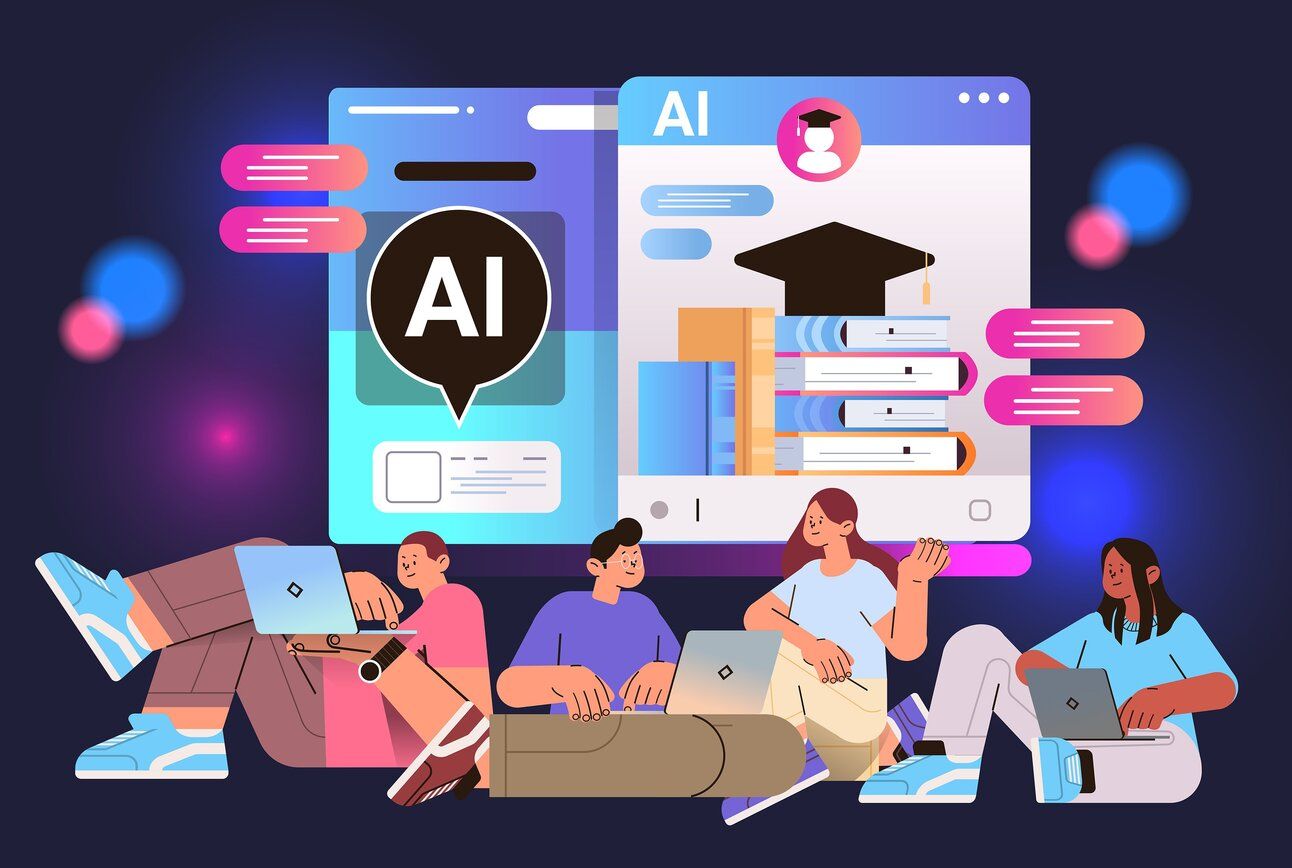
Adaptive Learning and Intelligent Tutoring Systems
AI adoption among UK teachers is on the rise, with around 42% of teachers using tools like ChatGPT and Google Bard to assist with lesson planning, personalising content, and providing real-time feedback (UK Department for Education, January 2024). These tools help provide targeted support, particularly in subjects like English, where writing and grammar benefit from personalised corrections.
AI-powered Intelligent Tutoring Systems (ITS), like those by Carnegie Learning, provide step-by-step guidance and real-time feedback. For example, a student struggling with essay structure might receive personalised lessons focusing on weaknesses, such as sentence construction.
In English, platforms like Cognii, Grammarly, and ChatGPT offer personalised writing feedback by analysing writing styles, flagging errors, and providing real-time corrections with explanations to aid learning. Tools like ChatGPT can also simplify difficult texts or tailor lessons to students' interests, making content more engaging and accessible.
Additionally, platforms like DreamBox dynamically adjust reading comprehension exercises to suit a student's understanding, offering support that builds confidence and learning independence.
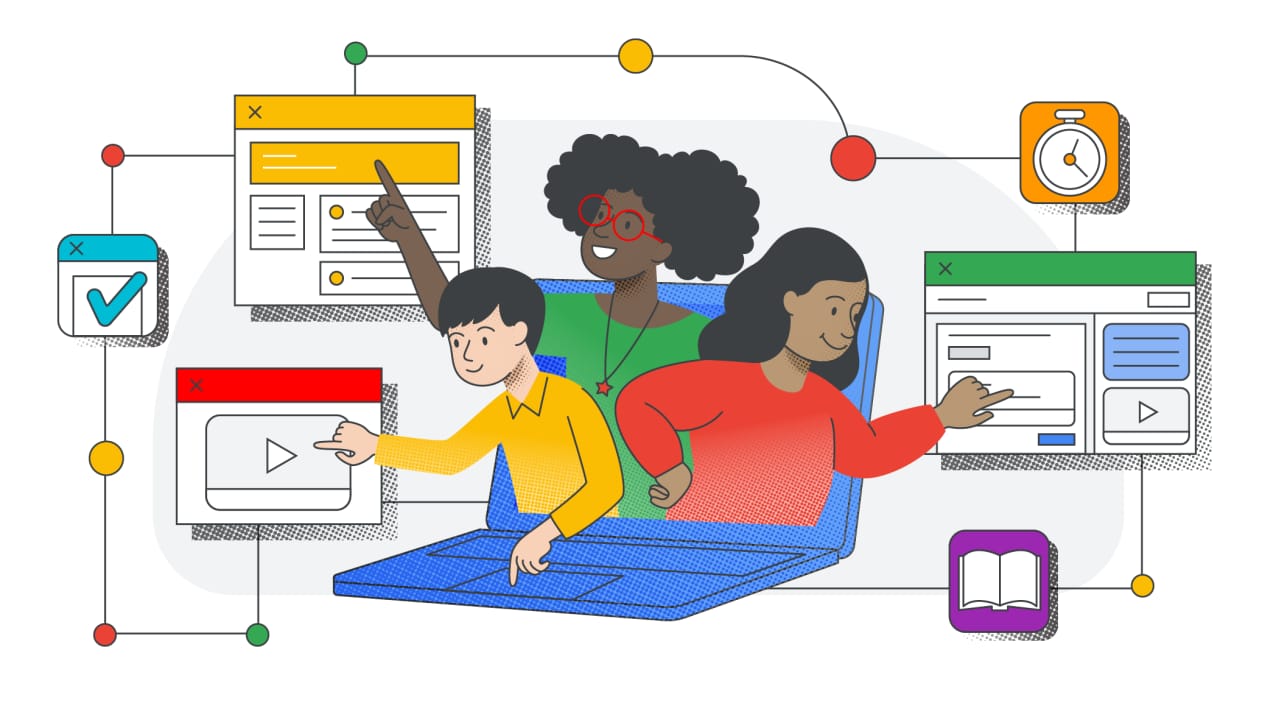
Neurodiversity and Inclusivity
AI’s potential goes beyond personalising lessons for the average learner—it can revolutionise education for neurodiverse students as well. I have dyslexia, and I know first-hand that my brain works differently. Throughout school, my teachers didn't know how to recognise my dyslexia, and I struggled without understanding why. It wasn't until I was at university that I decided to get tested and was finally diagnosed. If adaptive learning had been available to tailor the content to my learning style, it would have made a world of difference to my school experience in a positive way.
AI tools can identify learning patterns that might suggest conditions such as dyslexia, ADHD, or autism earlier than traditional methods by analyzing reading speed, error types, or interaction preferences. This detailed analysis helps provide tailored support for neurodiverse learners, ensuring timely intervention and personalised education. By analysing how students interact with educational materials, AI can offer tailored support for neurodiverse learners, ensuring that every student, regardless of their unique cognitive makeup, receives the guidance they need to succeed.
For example, a neurodiverse student might benefit from shorter, interactive sessions that help them stay focused, or structured lessons that provide a predictable learning environment. Tools like Grammarly and MATHia adapt their content delivery to accommodate these needs, helping neurodiverse students overcome specific learning barriers. AI can also provide emotional analytics, tracking student engagement and frustration levels to alert teachers when interventions are needed. This ensures that learning is not only accessible but also tailored to the needs of students who require extra support.
Immersive Learning Environments
The UK government is taking an active role in exploring how AI can be implemented in schools. For example, the Department for Education (DfE) organised a two-day hackathon in 2023 involving educators and data scientists, which led to valuable insights into how AI can be used to create more efficient lesson planning and enhance assessment methods. These findings are helping shape practical applications of AI that can improve educational outcomes while reducing teacher workload. The goal was to evaluate the potential of AI tools for lesson planning and assessment, ensuring these tools can create a learning environment that is both immersive and beneficial to students of all abilities. Such initiatives demonstrate the commitment to not only integrating AI into education but also ensuring it adds real value to the learning experience.
Another area where AI is making strides is in immersive learning technologies. By combining AI with Virtual Reality (VR) and Augmented Reality (AR), educators can create engaging and interactive learning experiences that adapt to students’ needs. Imagine history lessons where students can explore ancient civilisations in VR or science classes where they can perform virtual lab experiments without the constraints of physical resources. These immersive environments not only enhance engagement but also cater to different learning styles, offering a hands-on approach that makes learning more memorable.
For example, a student interested in biology could explore human anatomy in a virtual environment, dissecting organs and studying body systems in a highly interactive, personalised experience. This level of engagement would be impossible with traditional textbooks, demonstrating the transformative potential of AI in education.

Addressing Ethical Concerns in AI Education
As we explore the benefits of AI in education, it is crucial to also address the ethical concerns associated with its use. A recent report from the UK Department for Education (January 2024) highlights several important areas of consideration, including data privacy, academic integrity, and equity. While there are valid concerns about over-reliance on AI or data security, the benefits far outweigh the risks. The ethical use of AI is being made a priority, and ongoing efforts aim to ensure responsible implementation that benefits all students equally.
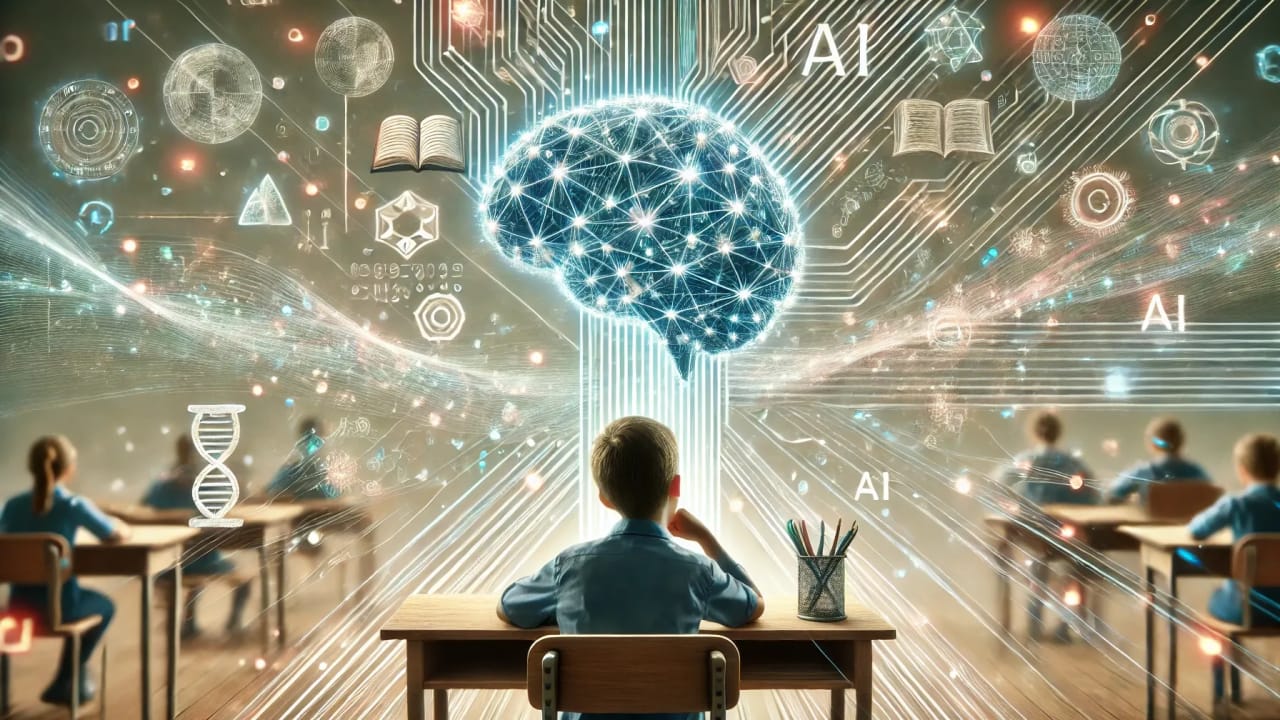
A Bright Future for Education
The transformation AI brings to education will reshape society, making learning more accessible and personalised for all. AI will help close the skills gap and create greater social and economic mobility, ensuring that students from all backgrounds have access to high-quality education.
The future of education is bright. Children of tomorrow will be better equipped, benefiting from an AI-powered system enriched by human teachers. By combining human insight with AI's capabilities, we can unlock new potential, ensuring every student has the opportunity to thrive and succeed in a complex world. Let’s focus on reforming the education system to ensure no student is left behind as we embrace AI’s potential.
If you're excited about how AI could revolutionise education, subscribe to Foresight for more insights into emerging technologies, AI innovations, and their impact on our world. Let’s keep exploring how these possibilities can reshape our future and ensure no student is left behind.
What are your thoughts on the future of education with AI? I'd love to hear your perspective!
Reply